SeeSAR

The Liberating Drug Discovery Experience

fast

fast

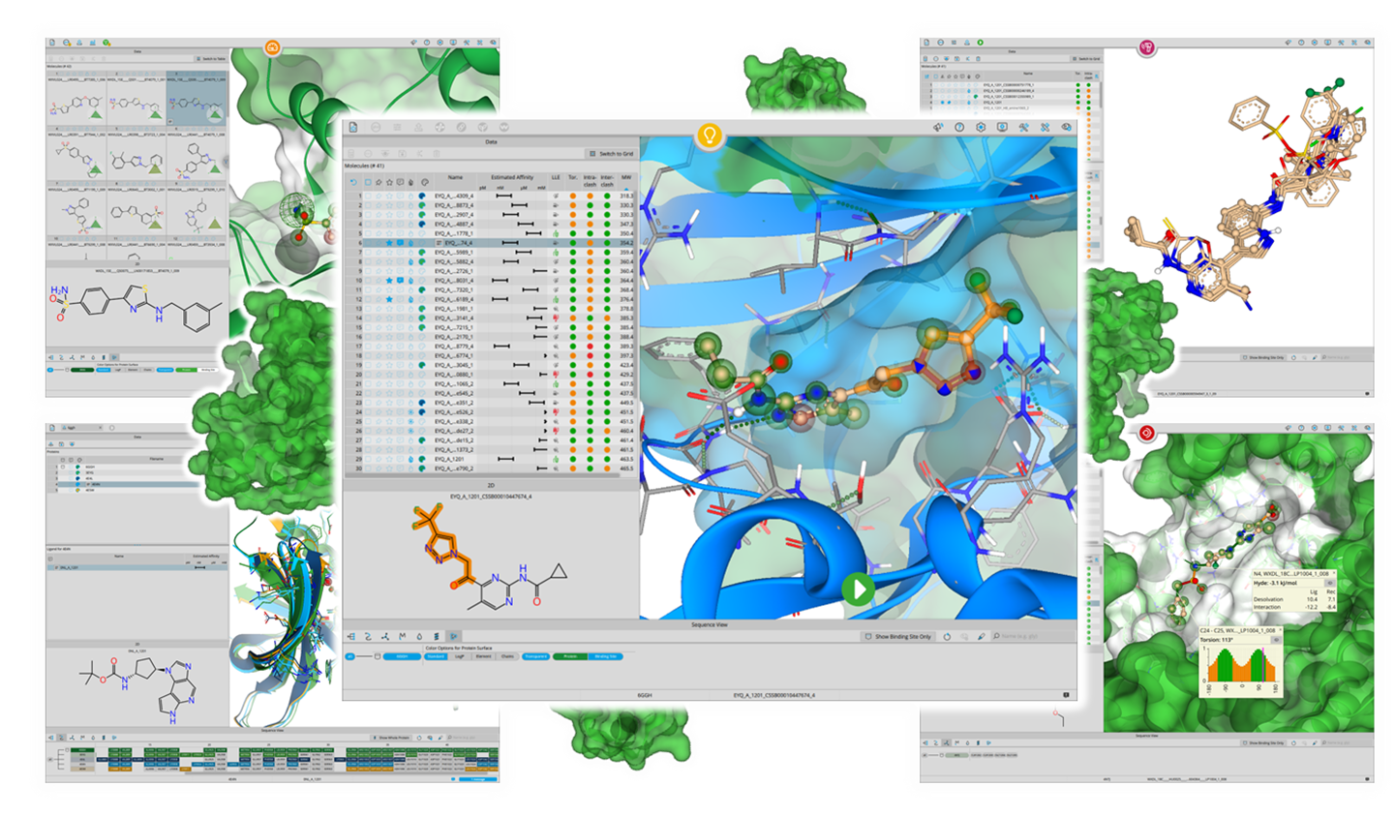
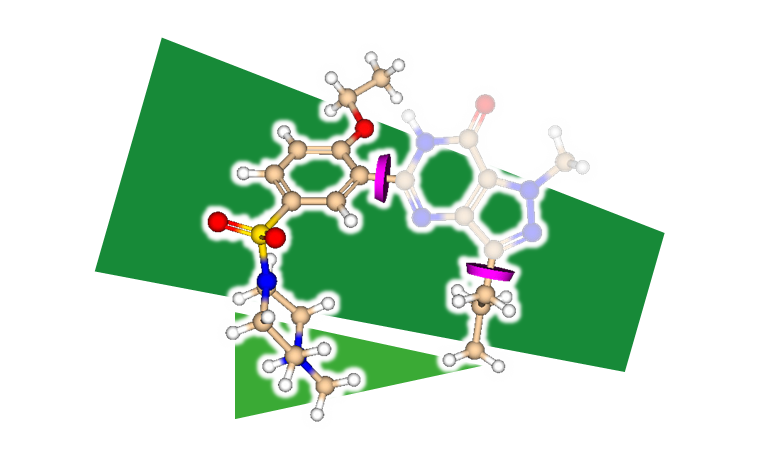
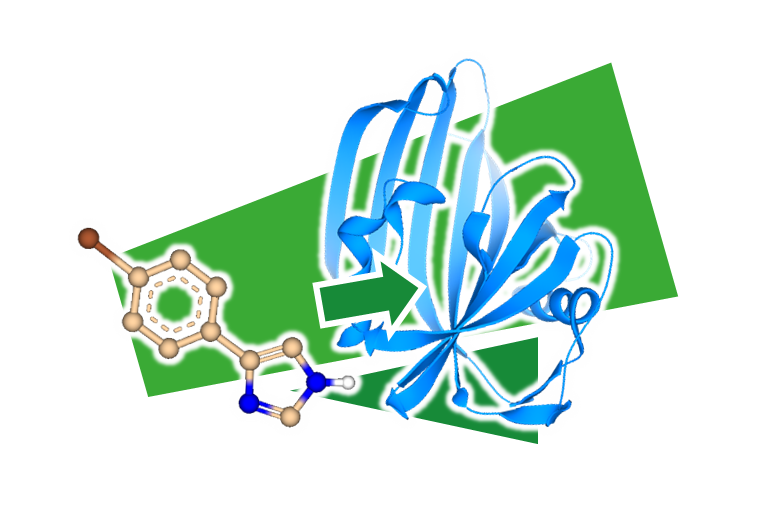
Dock, design, and analyze your compound in a flash, with swift and informative calculations.
visual

visual

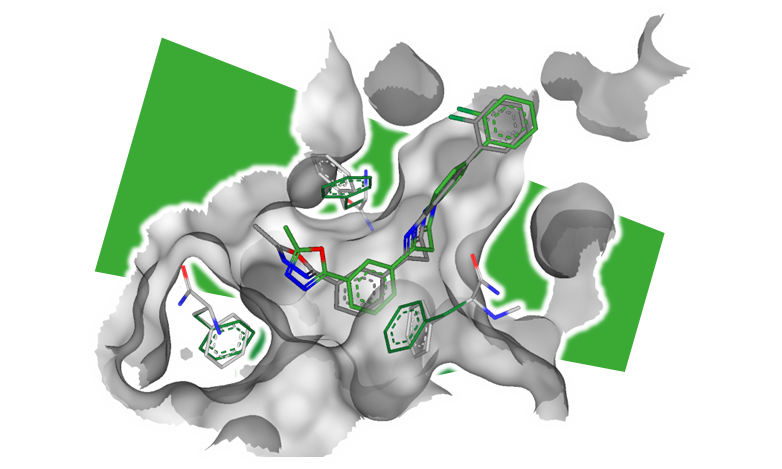
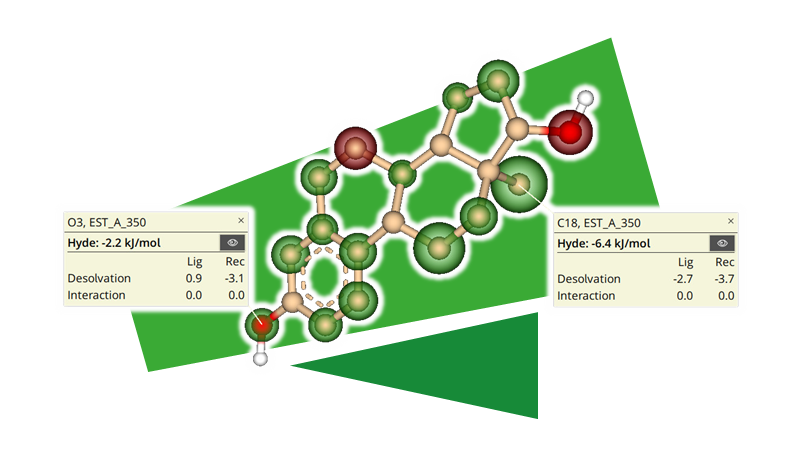
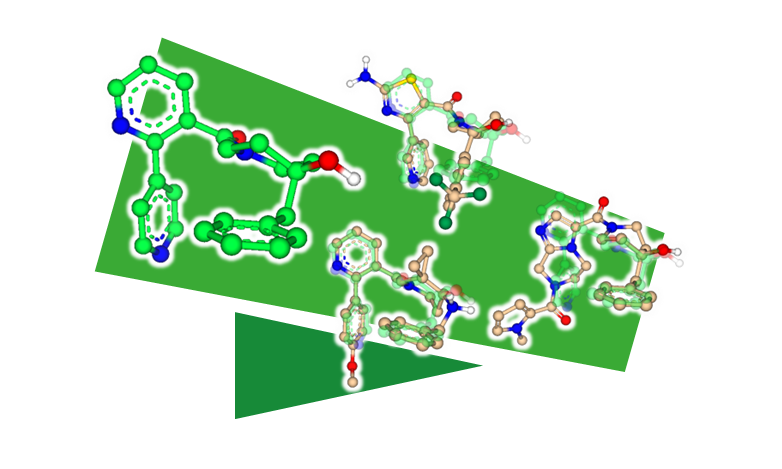
Evaluate ligand-target interactions by intuitive color codes and gorgeous visualization.
easy

easy

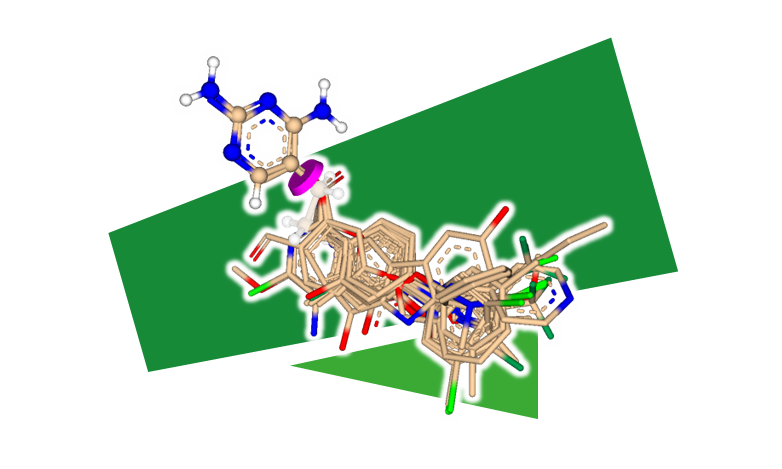
We provide a satisfying on-the-fly drug design experience. No learning curve!

The Liberating Drug Discovery Experience

Your Universal Drug Discovery Toolkit

SeeSAR fosters innovation during every step of your drug design process. The app includes all tools vital for handling your compounds and target structures which have been fine-tuned to the needs of any chemist.
Helpful features such as ADME properties assessment, comprehensive color coding, unoccupied binding pocket visualization, and many others, support you in making sound and interactive decisions.
All our tools are based on solid and transparent science cited in over a thousand publications. Follow the button if you want to learn more about the science behind SeeSAR.

What's Inside?

protein mode to search and load your protein

Protein Mode

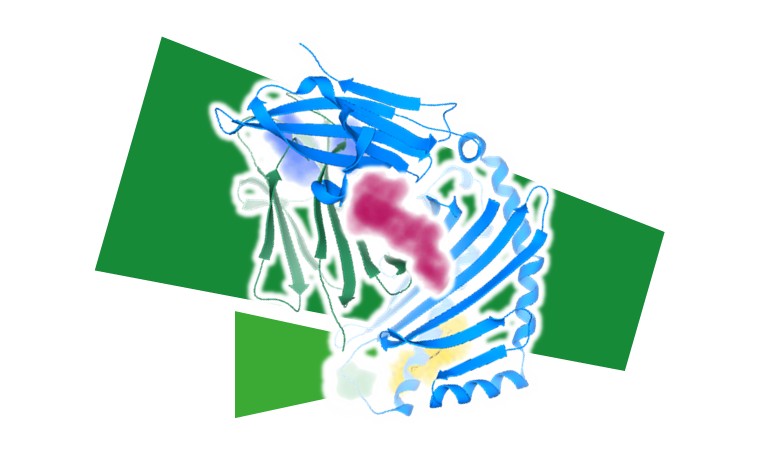
Drag and drop your protein, or search comfortably in an online database. Within seconds, your target is prepared and you can get started.
protein editor mode

Protein Editor Mode

Modify your protein according to your needs. Explore rotamers, introduce mutations, and customize side chains.
binding site mode for target pocket detection

Binding Site Mode

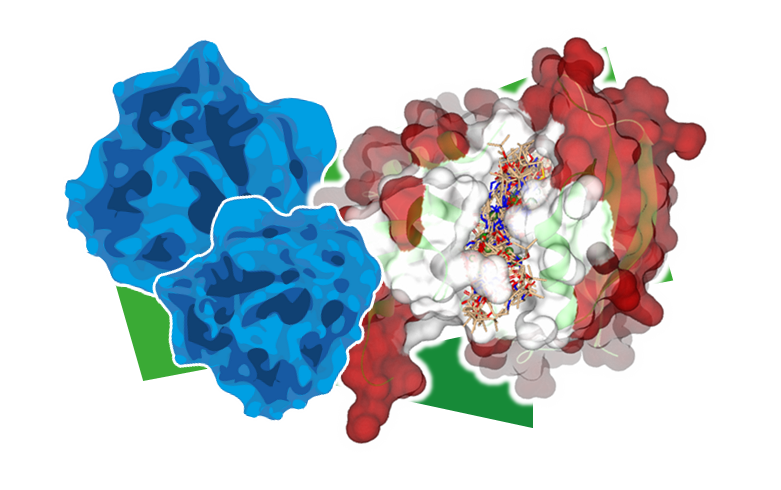
SeeSAR automatically detects the binding site of a ligand for you. In addition, you can precisely expand it by adding individual residues — or with a single click to find empty pockets in your protein.
molecule editor mode for on-the-fly modifications of your compounds

Molecule Editor Mode

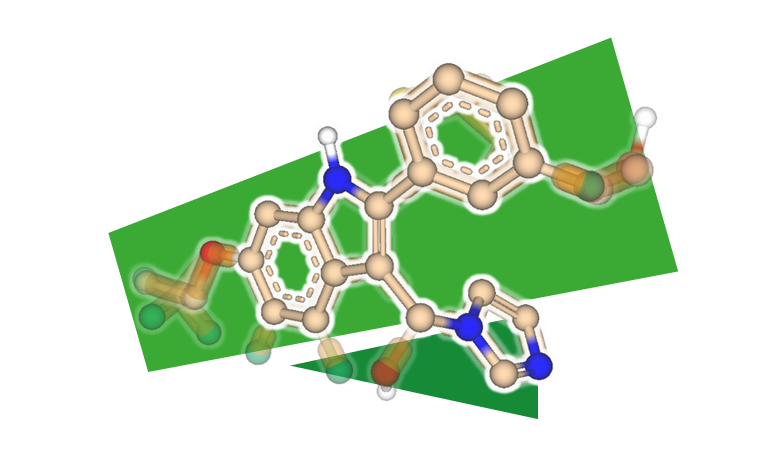
Modify molecules to your taste in 2D or 3D on-the-fly. Once you are done, the molecules are directly prepared for your tasks.
analyzer mode for property assessment

Analyzer Mode

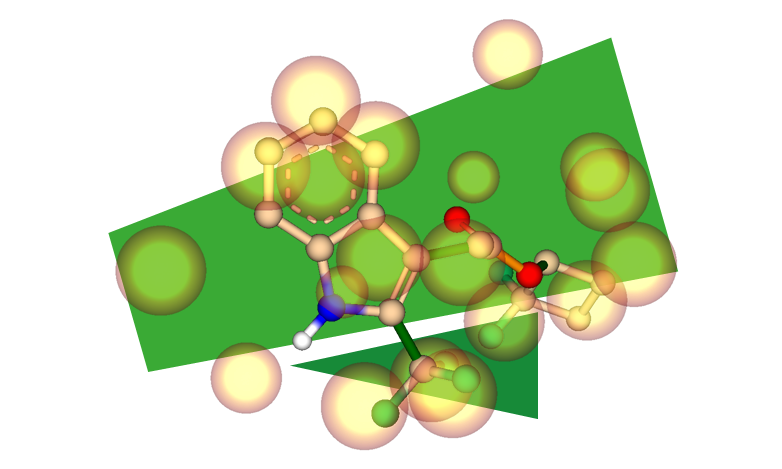
Estimate affinities and interpret the results using the visualized HYDE score. Filter your compounds for relevant parameters, calculate ADME properties, and gain full control over ligand-target interactions.
inspirator mode for interesting new structural proposals

Inspirator Mode

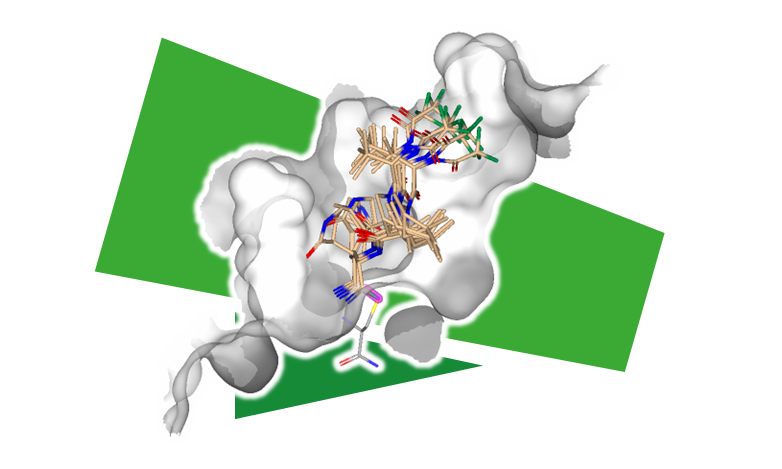
Ideate without limits! Discover new scaffolds, explore, and grow into free cavities, or link molecules using fragment libraries for elegant solutions.
docking mode for binding mode predictions

Docking Mode

Dock your compounds with one single click! Screen libraries for actives, and instinctively evaluate your results.

Space Docking Mode

Chemical Space Docking® workflow to perform structure-based virtual screening of ultra-large Chemical Spaces.

Similarity Scanner

Align your compounds without the need of a target structure based on their molecular similarity.

What's Inside?

What Others Say

Six Reasons for SeeSAR

#1 Efficiency meets enjoyment

Swift calculations and stimulating inputs supports you in finding solutions in the most inspiring way.

#2 Designed for everybody

SeeSAR's radical simplicity provides a satisfying experience for drug design veterans and modeling beginners alike.

#3 You stay in full control

Informative color coding and comprehensive icons help you evaluate your results at first glance and make informed decisions.

#4 Easy to set up

SeeSAR runs on all established platforms and is easy to install. Just download, and get started!

#5 Saves time and resources

SeeSAR offers almost instantaneous, precise results, without compromise.

#6 Supports scalability

Large virtual screening campaigns can easily be launched and without cluttering the memory with junk data.

Six Reasons for SeeSAR

SeeSAR's Functionalities

  • Synthon-based virtual screening approach
  • Efficiently screen trillion-sized Chemical Spaces
  • Explore Spaces beyond traditional brute-force docking
  • Identify novel, unlisted chemical entities
  • Access synthetically accessible compounds beyond on-the-shelf catalogs
  • Accumulate high-ranking compounds with superior predicted affinities
  • Control screening through an intervention-point workflow
  • Guide chemical evolution from diverse starting fragments
  • Use co-crystallized ligands or docking poses as templates
  • Guide extension with growth vector constraints
  • Complete large-scale screening on standard hardware
  • Reduce the need for server farms or massive cloud resources
  • Leverage HPSee infrastructure for scalable external docking workflows
  • Keep data local and secure while offloading heavy computations
  • Integrate fragment-based drug discovery into ultra-large-scale screening
  • Retrieve synthetically tangible compounds for follow-up
  • Visualize atomic interaction feedback with HYDE
  • Prioritize results by ligand efficiency, lipophilic efficiency, and molecular properties
  • Discover novel scaffolds and bioisosteres
  • Optimize your compound in real time
  • Find and explore molecule decorations
  • Satisfy unoccupied binding sites
  • Screen ultra-large synthetically accessible Chemical Spaces in 3D
  • Identify novel hits beyond standard screening libraries
  • Expand hits with make-on-demand follow-up ideas
  • Prioritize synthesizable compounds for testing
  • Amalgamate overlapping moieties from different binders
  • Link fragments based on their 3D attachment geometry
  • Perform heteroatom walks to suggest improved analogs
  • Work on proteins, DNA and RNA
  • Align and compare binding sites
  • Detect and characterize druggable pockets
  • Modify your binding site
  • Screen for similar binding sites
  • Work with in-house structures
  • Directly download PDB-IDs
  • Search for structures containing a compound of interest
  • Refine target structures with integrated energy minimization
  • Adapt complexes and optimize local protein–ligand geometries
  • Introduce specific protein mutations
  • Explore alternative side-chain rotamers
  • Highlight conformational differences across aligned proteins
  • Spot flexible side chains relevant for binding site evaluation
  • Define conserved water molecules for docking
  • Account for key waters as part of the binding environment
  • Dock covalent ligands with automated warhead handling of 36 most-common patterns
  • Automatically transform common covalent warheads into bound states
  • Target covalent residues including Cys, Ser, Thr, Lys, Tyr, Asn, and Gln
  • Sample covalent stereoisomers automatically
  • Explore alternative stereochemistry near attachment points
  • Manage large-scale docking jobs with centralized workflow infrastructure
  • Coordinate virtual screening workloads across teams
  • Store and manage large molecule libraries in one central location
  • Provide shared access to libraries and Chemical Spaces
  • Avoid transferring large data files to local machines
  • Offload virtual screening from SeeSAR to remote hardware
  • Start external docking workflows with a single click
  • Download only top-scoring poses for local inspection
  • Perform large-scale screening on standard hardware
  • Reduce the need for massive server farms or GPU clusters
  • Scale Chemical Space Docking® with synthons rather than products
  • Combine HPSee scalability with SeeSAR’s interactive interface
  • Inspect prioritized results visually in SeeSAR
  • Unite interactive design with scalable high-performance screening
  • Expand and grow your ligand with FastGrow
  • Fuse, link and merge fragments (ReCore)
  • Mix-and-match
  • Rescaffolding in no time
  • Geometrically link fragments based on bound poses
  • Combine overlapping hit motifs into improved designs
  • Support fragment evolution with structure-based design feedback
  • Docking (standard, template-based, covalent) with FlexX
  • Scoring of poses with HYDE
  • Assessment of binding poses by molecular torsions and clashes
  • Ultrafast prediction of tautomers and protonation states
  • Manage and filter molecule sets
  • Work with pharmacophore constraints to guide your computations
  • Convenient molecule edition
  • Create compound libraries to test hypotheses
  • Screen billion- to trillion-sized Chemical Spaces with Chemical Space Docking®
  • Efficiently search make-on-demand libraries
  • Prioritize compounds for synthesis and experimental testing
  • Guide hit expansion directly from docking results
  • Run high-performance external docking workflows on remote hardware
  • Retrieve only top-scoring poses for efficient review
  • 3D virtual screening to mine for novel chemotypes
  • 3D compound alignment with FlexS
  • Hypothesis generation
  • Find and align compounds by 3D similarity
  • Build aligned sets for downstream SAR analysis
  • Compare active and inactive molecules in a common frame
  • Use aligned molecule sets from Similarity Scanner, docking, or binding site superpositioning
  • Derive 3D features from aligned molecules
  • Identify key molecular features driving biological activity
  • Summarize SAR across a compound series
  • Turn SAR insights into pharmacophore constraints
  • Measure and label distances, torsions, residues, angles
  • Predict ADME and physicochemical properties of your compounds
  • Visualize parameters with diagrams
  • Estimate affinity and ligand efficiency with HYDE
  • Reveal favorable and unfavorable binding contributions
  • Understand why a pose works or fails
  • Obtain interpretable structure-based feedback for optimization
  • Visualize atomic HYDE contributions interactively
  • Detect dissatisfied regions in a ligand or binding pose
  • Identify desolvation penalties and unfavorable atom placements
  • Assess hERG risk, P-gp transport, and BBB penetration
  • Support medicinal chemistry decisions with detailed ADME readouts
  • 3D model export (glb/pptx file) for interactive presentations
  • SDF and excel output
  • Highlight favorites and (in)actives
  • Intuitive color coding
  • Annotations
  • Capture scenes
  • Adjustable binding site representation
  • Summarize aligned-series SAR for team discussions
  • Communicate design hypotheses clearly across teams
  • Export interactive 3D models for PowerPoint, videos, or websites
  • Light and dark theme
  • Adjustable layout
  • Support for color blindness
  • Easy to learn for medicinal and computational chemists alike
  • Fast onboarding for new users
  • Productive for experts and non-experts
  • Supports end-to-end workflows from binding site analysis to ideation, docking, and SAR review
  • Automated pocket finding with DogSiteScorer
  • Structural alignment and target handling with SIENA
  • Integrated energy refinement with YASARA
  • ADME prediction with Optibrium
  • Specialized algorithms combined in one intuitive environment
Fragment Files

Satisfy Your Binding Site with FastGrow

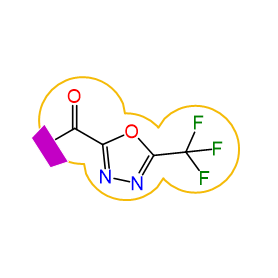
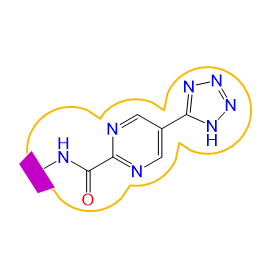
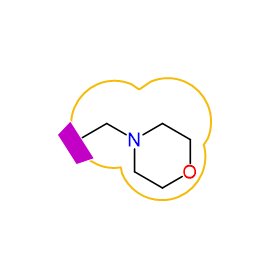
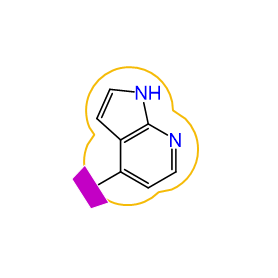
SeeSAR provides users with a powerful tool to rapidly screen for ligand decorations or extensions that explore or fill binding cavities of a target structure. The ultra-fast component behind this method, FastGrow, uses a novel and highly efficient algorithm with shape-based directional descriptors to screen hundred-thousands of fragments within seconds on standard hardware to create optimized suggestions.

Available libraries:

Default set
[12k fragments]

SeeSAR incorporates a set of 12k medchem-like growing fragments right from the start.
Simply load your molecule into the Inspirator Mode and select the part you would like to grow from or a part of the structure you would like to replace.
This library is a subset of the medchem library mentioned next.

Medchem set
[120k fragments]

The larger medchem growing set contains 120k fragments derived from common drug motifs, building blocks and structures observed in PDBs.

sp3 set
[28k fragments]

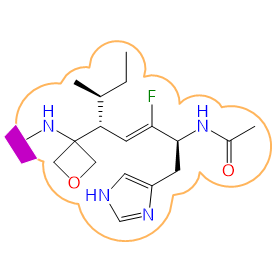
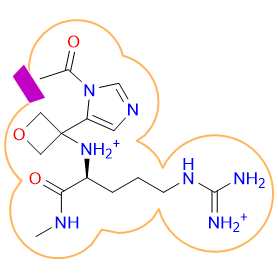
The sp3 carbon library contains fragments that bear an sp3-hybridized, α carbon atom. This library can be used to grow from heavy atoms such as nitrogen, oxygen, and sulphur to create results that are accessible through nucleophile substitution (e.g. alkylation).

Hinge binder set
[51k fragments]

This set features computationally validated hinge binders derived from bioactive molecules. Based on the previously reported Hinge Binder Collection, a FastGrow library was created to support kinase-focused drug discovery projects.
Read more about the hinge binder set following this link.

Dipeptide set (N-Terminus) [661k fragments]

This set contains dipeptides made from proteinogenic amino acids connected through amide groups and their bioisosteres. With approximately 661,000 entries, it is ideal for efficient structure-based peptide design within a binding pocket, allowing potential candidates to be identified from a vast array of combinations.

This set represents the N-terminus configuration: after the growing vector, it features the equivalent of the amide nitrogen and concludes with an N-terminal group. You can read more about the dipeptide set following this link.

Dipeptide set (C-Terminus) [661k fragments]

This is the C-terminal equivalent of the dipeptide library. After the growing vector, it features the equivalent of the amide carbonyl and concludes with a C-terminal group. You can read more about the dipeptide set following this link.

3D-Driven Re-Scaffolding

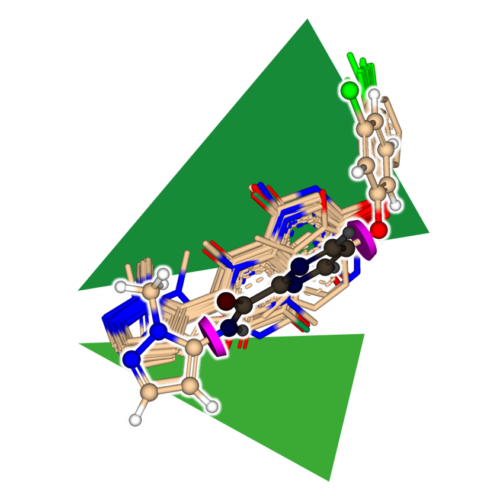
SeeSAR helps you to generate new intellectual property or get rid of issues in molecules. Supported by the ReCore tool implemented in our Inspirator mode, SeeSAR searches in pre-processed libraries, so-called “indices”, for fitting replacements in selected molecule areas. Our approach to fragment-based lead discovery (FBLD) delivers suggestions to core replacements, molecule growing, and fragment linking within seconds.
BioSolveIT offers the required index files for free.
* The CSD SeeSAR index requires a license from CCDC.
Updates

SeeSAR Version 14.2 — Atlas

A little bit smoother, a little bit smarter, a little bit more precise: SeeSAR 'Atlas' and its 14.2 update. This release sharpens the editing experience and enhances usability across key Modes.
A new search option allows you to find proteins using keywords beyond the official header, such as brand names or development codes (e.g., Levothyroxine, Prilosec).
Editing workflows are now smoother: A revamped interface introduces an “edit state” concept for more convenience and straight-forward operation.
Additional upgrades include smarter H-bond clipping, one-click filter toggling, substructure-to-SMILES copying in Analyzer, clearer export error messages, and cleaner protein-ligand visualizations.


For older versions and an elaborated list please visit here


Help

FAQ

  • Download SeeSAR 14.2
  • Begin by downloading the latest version of SeeSAR 14. This software provides the main interface for Chemical Space Docking® (C-S-D), where you’ll manage your compound screenings and interact with the docking tools.
  • Download HPSee 2.2
  • Next, download HPSee 2.2, a companion tool designed for high-performance docking calculations. HPSee handles the heavy lifting for docking operations, allowing you to run large-scale screenings on a dedicated machine or server.
  • Download the CSD Starter Package
  • The C-S-D Starter Pack includes essential resources, including two setup guides and the ROCK-1 Test Space—a sample chemical space for testing C-S-D.
  • Follow the HPSee Deployment Guide
  • Install HPSee 2.1 on your dedicated machine using the detailed steps in the HPSee Deployment Guide. This setup ensures HPSee is ready to handle the docking tasks as you use SeeSAR for screening.
  • Refer to the SeeSAR Beginner Guide
  • Install SeeSAR 14.2 on your primary workstation and follow the SeeSAR Beginner Guide to get familiar with its interface and workflows. This guide covers the basics of navigating SeeSAR, initiating docking runs, and working with the 3D visualization tools.
  • Watch the Tutorial Video
  • If you need further assistance, the SeeSAR 14 Tutorial Video provides a visual walkthrough of setting up and using C-S-D in SeeSAR, ideal for new users.
  1. RAM: 16GB would be good, anything beyond is better.
  2. CPU: Our tools are not very hungry — yet they profit from multiple CPUs, because they have parallelized algorithms implemented. If in doubt rather choose more slower CPUs than one faster one.
  3. Graphics: It is important to know that a local graphics card is mandatory for infiniSee and SeeSAR.

Update to the latest driver, and check — even if Windows tells you that you are up-to-date. Lenovo and other computers with onboard graphics, please navigate to this link to check if there is a newer driver available for you.
An elaborated list of the respective operating system (OS) requirements can be found here.
SeeSAR can calculate and predict following parameters of a molecule that can be further used for filtering steps and compound assessment: HYDE-based (Lipophilic) ligand efficacy (LE/LLE), molecular weight, logP, total polar surface area (TPSA) of a compound, H-bonds, H-bond acceptors and donators, heavy atoms, aromatic rings, maximum ring size, total charge, and presence of covalent warheads. You can also calculcate and filter for following numbers: odd torsions, heavy atoms, (aromatic) rings, aromatic atoms, nitrogen and oxygen atoms, halogens, stereo centers, stereo bonds, and rotatble bonds. With this you can easily tailor your filters for particular compound features and
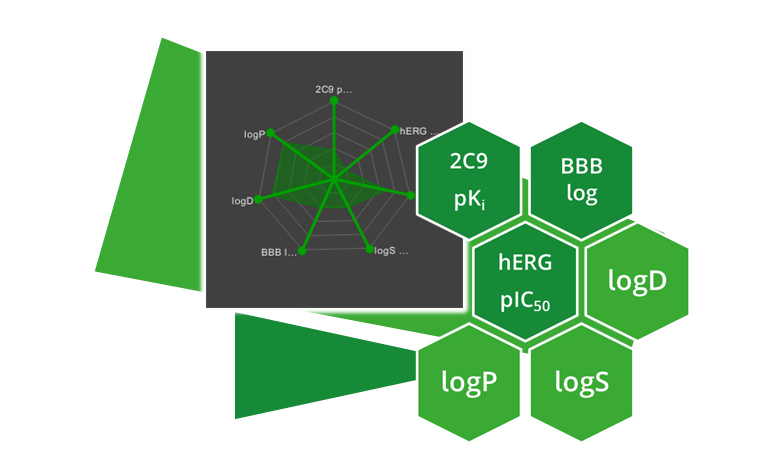
Furthermore, SeeSAR supports the Optribrium expansion to predict a variety of important ADME parameters for further compound assessment:
ADME parameter
Cytochrome P450 CYP2C9 pKi prediction. Affinity prediction of the compound to bind at the enzyme involved in several metabolic drug pathways.
Cytochrome P450 CYP2D6 classification. Compounds are predicted to be in one of four categories: ‘low’ for compounds with a pKi<5, ‘medium for compounds with a pKi between 5 and 6, ‘high for compounds with a pKi between 6 and 7, and ‘very high’ for compounds with a pKi>7.
Classification of compounds into ‘+’-category if log([brain]:[blood])≥-0.5 and ‘-’category if log([brain]:[blood])<-0.5.
Logarithm of brain-blood partition coefficient of a compound. Can be used as indicator for CNS active compounds.
Human intestinal absorption classification. Compound which are predicted to be absorbed ≥30% are classified with ‘+’, compounds which are predicted to be absorbed <30% are classified with ‘-’.
P-glycoprotein 1 (also known as multidrug resistance protein 1 (MDR1) and ATP-binding cassette sub-family B member 1 (ABCB1)) transport classification. Predicts if a compound is a substrate of P-gp.
Plasma protein binding classification. Predicts a classification of ‘low’ for compounds which are <90% bound and high for compounds which are >90% bound.
Prediction of pIC50 values for inhibition of human Ether-a-go-go Related Gene (hERG) potassium channels expressed in mammalian cells.
Logarithm of n-octanol-water partition coefficient (also known as n-octanol-water partition ratio) at fixed physiological pH 7.4. Used to describe the relationship between lipophilicity and hydrophilicity of an ionized compound.
Logarithm of n-octanol-water partition coefficient. Used to describe the relationship between lipophilicity and hydrophilicity of a neutral compound.
Logarithm of intrinsic aqueous solubility in µM for neutral compounds.
Logarithm of intrinsic aqueous solubility at physiological pH 7.4 in µM for ionized compounds.
Any usage with a graphical user interface requires a local installation and a local graphics card. This can therefore not work from remote.
Commandline and KNIME runs however can be triggered from remote.
Please contact us if you need to work from home during the Corona pandemic.
SeeSAR supports 36 most commonly used covalent warheads that are automatically detected and transformed into their target-bound form during covalent docking:
  • haloacetamide
  • acrylamide
  • acrylester
  • vinylsulfones
  • nitroalkenes
  • nitroalkanes
  • thioles
  • disulfides
  • aldehyde
  • boron
  • boronate
  • α-ketoamide
  • sulfonyl fluoride
  • ketoalkynyl
  • ketoamine
  • maleimide
  • urea
  • carbamate
  • epoxide
  • aziridine
  • oxetane
  • bicyclobutane
  • diazerine
  • lactame
  • alkynylyl
  • nitrile
  • vinylnitrile
  • alkynylylamine
  • acrylpyzarole
  • acrylimidazole
  • (o-, m-, p-)arylators
  • iscocyanate
  • azide
  • cyanamide
A complete visual overview can be found following this link.
Force fields are collections of formulas and parameters used to simulate atomic systems. In addition to the well-known AMBER series, YASARA also provides its own force fields, among which the YASARA force field emerged as the winner in a CASP challenge.
  • AMBER03
  • AMBER10
  • AMBER11
  • AMBER12
  • AMBER14
  • AMBER14IPQ
  • AMBER15FB
  • AMBER15IPQ
  • AMBER94
  • AMBER96
  • AMBER99
  • NOVA
  • NOVA2
  • YAMBER
  • YAMBER2
  • YAMBER3
  • YASARA
  • YASARA2

Couldn’t find what you are looking for?
Visit our elaborative FAQ section or the first aid section

Science

Energy Minimization with YASARA

The energy minimization of structures and complexes serves as a basis to improve and refine starting points for virtual screenings, dockings, and SAR analyses. Here, an X-ray structure, a model, or a predicted ligand complex is used to calculate a conformer with a lower energy level in a local minimum compared to the initial structure. The YASARA module is an optional extension to SeeSAR.

The feature spotlight on structure optimization can be found following this link.

Find out more about energy minimization in YASARA here (PDF).

Chemical Space Docking®

Chemical Space Docking® is a novel structure-based virtual screening method that screens ultra-vast Chemical Spaces for the most promising drug candidates.
Users can conveniently start their C-S-D workflow in SeeSAR's visual interface. HPSee then takes over the calculations and the preparation of the results.
The initial anchoring of synthons can be enhanced by using co-crystallized ligands or predicted binding poses from docking studies as templates for pose generation. This approach accelerates calculations while producing poses that are structurally aligned with the template molecule.

Learn more about C-S-D.
Read more about C-S-D here (PDF).
Learn more about C-S-D in SeeSAR 14 Atlas.

Covalent Docking

Covalent docking has reached new heights of sophistication within SeeSAR. The augmented version automatically detects covalent warheads in provided ligands and transforms them into their target-bound forms, recognizing the 36 most commonly used warheads.
SeeSAR takes the flexibility of the formed covalent bond into account during the pose generation or can be kept rigid if the exact exit vector is known.
Furthermore, you can conveniently select and sample any residue side chain valid for covalent targeting in the user interface.

MedChemesis - Ligand Mutation Tool

With MedChemesis (a word play on "Medicinal Chemistry" and "Mutagenesis") it is possible to mutate your ligand based on conventional transformations used in medicinal chemistry. Starting from a ligand-protein complex, different transformations of the ligand are sampled (e.g., introduction of a methyl group, replacement of a carboxylic acid for a tetrazole, substitution of a carbon atom for a nitrogen atom in an aromatic ring system) and promising suggestions are presented to you.
The perk of this method is that only interesting modifications are generated without the need of enumeration of all possible modifications in every position. As example: Introduction of groups that would lead to molecular clashes with the surface are not sampled. Generation of 50 suggestions can be done within few seconds on standard hardware. MedChemesis can therefore be used to create small sets of compounds to generate ideas for subsequent modifications and to form hypotheses for follow up synthesis.
In its first iteration MedChemesis features 290 commonly-used chemical reactions.

Find out more about MedChemesis here (PDF).

HYDE - Interactive, Desolvation-Aware Visual ΔG Estimates

HYDE binding assessment approximates and visualizes affinities. The system has NOT been trained to specific targets, instead implicit HYdrogen bond and DEhydration are intrinsically balanced without weighting parameters as seen in all force fields. The user instantly gets interpretative feedback for lead optimization and other design tasks.
HYDE is constantly improved and originated from a collaboration with BAYER, Hamburg University, and BioSolveIT.

Find out more about HYDE here (PDF).

ReCore - 3D Scaffold Hopping

Replace a given core and generate new intellectual property. You can specify bonds or interactions to be matched by new fragments. The arrangement of the connected residues is taken to a fragment library that has been pre-processed for speed (“indexed”). Results are retrieved using a 4-dimensional vector and the quality of the fit is computed. Indices can be custom designed with in-house compound libraries.
ReCore emerged from a collaboration with Roche Basel and Hamburg University and has been extensively augmented and extended by BioSolveIT thereafter.

Find out more about ReCore here (PDF).

Visual Torsions - Statistical Assessment of Likelihood of Dihedrals

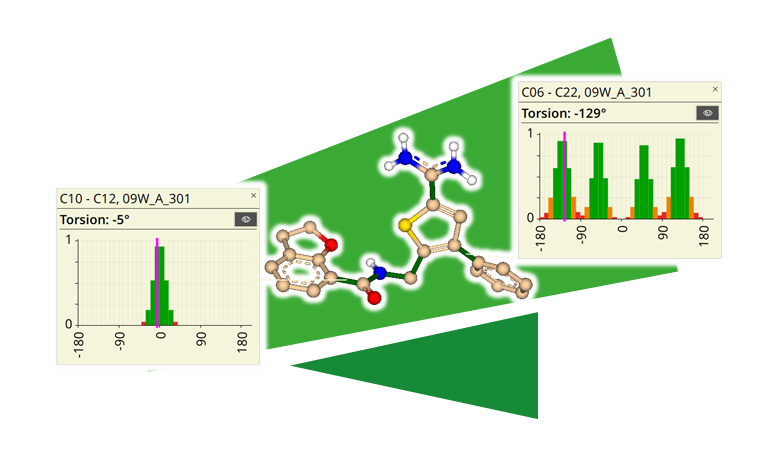
Based on rigorous statistical analysis of small molecules in crystal structure databases, the “traffic-light” implementation for the torsion angles in molecules reflects the frequency of occurrence of a given dihedral. The underlying assumption is that frequent observations correlate with low energy structures and vice versa.
The Visual Torsions emerged from a collaboration with Roche Basel and Hamburg University.

Publications on visual torsions can be found here and here.

Pocket Detection - Druggable Binding Sites from 3D Structures

Compute proposals for accessible empty pockets, and visualize the results in 3D for further selection. The functionality is based on a heuristic model that employs Gaussian differences on a 3D grid to assess the likelihood of dealing with a pocket shape or not. Global hydrogen bond functionalities and the lipophilic character - plus the solvent accessible surface (SAS) of the putative pocket are taken into account. The computation is further enriched with local measures such as distances between pairs of functional group atoms.
The pocket detection algorithms are part of the DoGSiteScorer that emerged from a collaboration with Merck and Hamburg University.

Publications on our DoGSiteScorer-based pocket detection can be found here and here.

FlexX Docking - Fast, Flexible Placement of Ligands into cavities

Dock a ligand into a receptor cavity. This state-of-the-art algorithm splits ligands into so-called fragments which are placed into multiple places in the pocket – and scored using a simple, yet very fast pre-scoring scheme. From the n solutions placed, the ligand is further built up, fragment by fragment, and the interim solutions are scored against each other. The best scored survive the process, and those are delivered to the user. The “Single Interaction Scan” (SIS) placement also finds solutions when there are only very few polar groups in a compound.

Find out more about FlexX here (PDF).

FlexS - Ligand-Based Similarity Search

FlexS is a computer program for predicting ligand alignments. For a given pair of ligands, FlexS predicts the conformation and orientation of one of the ligands relative to the other one. Without the need of a target 3D structure users can use FlexS as part of the Similarity Scanner Mode to perform virtual screening on molecule sets to discover similar compounds to a reference ligand. FlexS takes into account the shape and molecular features of the molecule and can be used for scaffold hopping and generation of binding mode hypothesis.

Find out more about FlexS here (PDF).

FastGrow — Lightning-Fast Pocket Exploration

FastGrow enables users to breathtakingly fast search for ligand decorations or extensions that complement unoccupied binding cavities of a target structure. This novel tool enables interactively explorative growing and put control over the growing process firmly back into the user’s hand. Further, users can apply pharmacophore constraints to fine-tune their search according to their needs.
Being developed at Hamburg University in a joint collaboration with Servier Paris and BioSolveIT, FastGrow has already partied first successes at AbbVie. It has been thoroughly validated on real fragment growings/replacements in various scenarios.

Find out more about FastGrow here (PDF).

Optibrium - ADME Properties Prediction

Physicochemical properties are an important factor to consider to decide if a compound is promising drug candidate. Early assessment of ADME parameters can predict toxicity issues and absorption challenges in the early stages of drug discovery saving time and ressources. While SeeSAR can calculate a variety of interesting filter parameters (e.g. rotable bonds, molecular weight, TPSA), it also supports ADME parameter predictions by the optional StarDrop module by Optibrium. With this users have the possibility to calculate important parameters like CYP enzyme affinity, blood brain barrier to blood distribution, logS, and many more.

Find out more about Optibrium ADME properties here (PDF).

Recent Success Stories

A virtual screening campaign at two targets, namely FLT3 and MNK2, resulted in the discovery of a nanomolar, small molecule dual inhibitor. FlexX and HYDE were successfully used on hit compounds and close analogs to elucidate SAR. The most promising candidate was selective versus 82 other kinases.
Identification of a Dual FLT3 and MNK2 Inhibitor for Acute Myeloid Leukemia Treatment Using a Structure-Based Virtual Screening Approach.
Yen, S.-C.; Chen, L.-C.; Huang, H.-L.; HuangFu, W.-C.; Chen, Y.-Y.; Eight Lin, T.; Lien, S.-T.; Tseng, H.-J.; Sung, T.-Y.; Hsieh, J.-H.; Huang, W.-J.; Pan, S.-L.; Hsu, K.-C.
Bioorg. Chem. 2022, 121 (February), 105675.
Taking a rather unusual route, namely decreasing the affinity of a compound, Kulkarni et al. used SeeSAR to novel scaffolds of the xenoestrogen bisphenol A (BPA) with an improved pharmacological profile in the human endocrine system. ReCore was used to screen for replacements of the hydrophobic core important for binding at the estrogen receptor. SeeSARs visualization features connected in silico modelling to the in vitro results.
Estrogenic Activity of Tetrazole Derivatives Bearing Bisphenol Structures: Computational Studies, Synthesis, and In Vitro Assessment.
Gadgoli, U. B.; Y.C., S. K.; Kumar, D.; Pai, M. M.; Pulya, S.; Ghosh, B.; Kulkarni, O. P.
J. Chem. Inf. Model. 2022, No. 1
Researchers from the University of Bonn and BioSolveIT use a two-pronged experimental and computational approach in the discovery of linear and cyclic lead peptides with potential for modulating nucleotide exchange on "undruggable" G proteins. SeeSAR has been used in all phases of the study, from the identification of binding sites, comparison of binding sites, and finally HYDE-visualizations immensely aid in tying the outcomes together.
Targeting Gαi/s Proteins with Peptidyl Nucleotide Exchange Modulators.
Nubbemeyer, B.; Paul George, A. A.; Kühl, T.; Pepanian, A.; Beck, M. S.; Maghraby, R.; Shetab Boushehri, M.; Muehlhaupt, M.; Pfeil, E. M.; Annala, S. K.; Ammer, H.; Imhof, D.; Pei, D.
ACS Chem. Biol. 2022.
Discovery of novel natural products as binders at an allosteric binding site by a hybrid docking workflow. The group was able to discover four novel compounds for a difficult target and an even more difficult binding site with FlexX where a conventional high-throughput screening of 400k compounds resulted in only one lead compound.
Decrypting a Cryptic Allosteric Pocket in H. Pylori Glutamate Racemase.
Chheda, P. R.; Cooling, G. T.; Dean, S. F.; Propp, J.; Hobbs, K. F.; Spies, M. A.
Commun. Chem. 2021, 4 (1), 172.
Development of novel drugs for Alzheimer's Disease by Zaib et al. via a pharmacophore hybridization strategy to design and exlore the wider chemical space for new and potent cholinesterase inhibitors. Docking predictions and ligand design resulted in an highly active compound (IC50 = 0.12 µM).
Hybrid Quinoline-Thiosemicarbazone Therapeutics as a New Treatment Opportunity for Alzheimer’s Disease-Synthesis, In Vitro Cholinesterase Inhibitory Potential and Computational Modeling Analysis.
Zaib, S.; Munir, R.; Younas, M. T.; Kausar, N.; Ibrar, A.; Aqsa, S.; Shahid, N.; Asif, T. T.; Alsaab, H. O.; Khan, I.
Molecules 2021, 21, 6573.
Report on an iterative cycle of design, synthesis and biological evaluation of dual BET and HDAC inhibitors by the Günther and Hansen groups. Using SeeSAR, complex structures of BRD4 with inhibitors were extended and modified and docking poses were assessed with HYDE for compound optimization.
4-Acyl Pyrrole Capped HDAC Inhibitors: A New Scaffold for Hybrid Inhibitors of BET Proteins and Histone Deacetylases as Antileukemia Drug Leads.
Schäker-Hübner, L.; Warstat, R.; Ahlert, H.; Mishra, P.; Kraft, F. B.; Schliehe-Diecks, J.; Schöler, A.; Borkhardt, A.; Breit, B.; Bhatia, S.; Hügle, M.; Günther, S.; Hansen, F.
J. Med. Chem. 2021, 64 (19), 14620–14646.
Cocklin et al. describe their computational workflow to design novel HIV-1 capsid inhibitors with improved metabolic stability. In only three analog steps they were able to increase the half time 200-fold in comparison to the starting compound.
Rapid Optimization of the Metabolic Stability of a Human Immuno Deficiency Virus Type ‑ 1 Capsid Inhibitor Using a Multistep Computational Workflow.
Meuser, M. E.; Adi, P.; Reddy, N.; Dick, A.; Maurancy, J. M.; Salvino, J. M.; Cocklin, S.
J. Med. Chem. 2021, 64 (7), 3747–376.
In this publication Günther et al. report on the design of novel dual BET-BRD7/9 bromodomain inhibitors containing a 4-acyl pyrrol moiety. Molecular docking studies with SeeSAR were performed to predict the binding mode of the nanomolar compound 11 and elucidate the beneficial effect of an oxygen atom in the terminal group.
4 ‑ Acyl Pyrroles as Dual BET-BRD7 / 9 Bromodomain Inhibitors Address BETi Insensitive Human Cancer Cell Lines.
Hu, M.; Regenass, P.; Warstat, R.; Hau, M.; Schmidtkunz, K.; Lucas, X.; Wohlwend, D.; Einsle, O.; Jung, M.; Breit, B.; Günther, S.
J. Med. Chem. 2020, 63 (24), 15603–15620.

Get SeeSAR and start your drug discovery project!

How to Cite

In publications please cite SeeSAR with the respective version number as follows:
SeeSAR version 14.2.2; BioSolveIT GmbH, Sankt Augustin, Germany, 2025, www.biosolveit.de/SeeSAR