





Unveiling Potential of DNA Polymerase III Inhibitors to Limit Helicobacter pylori

webinar

Thu, 28 Jul 2022, 16:00 CEST (Berlin)

Dr. Sumera Zaib, University of Central Punjab (UCP), Pakistan

Unveiling Potential of DNA Polymerase III Inhibitors to Limit Helicobacter pylori

Helicobacter pylori is the most common gram-negative pathogen that causes chronic gastric inflammation and may lead to gastric cancer. To date, it is hard to eradicate and manage H. pylori infections but with limited combination therapies consistent efforts are in process. However, the immense and repetitive use of the same combination therapies over time made the bacterium resistant to several drugs. Consequently, H. pylori has been considered as a serious threat to human health and require novel antimicrobial drug candidates.

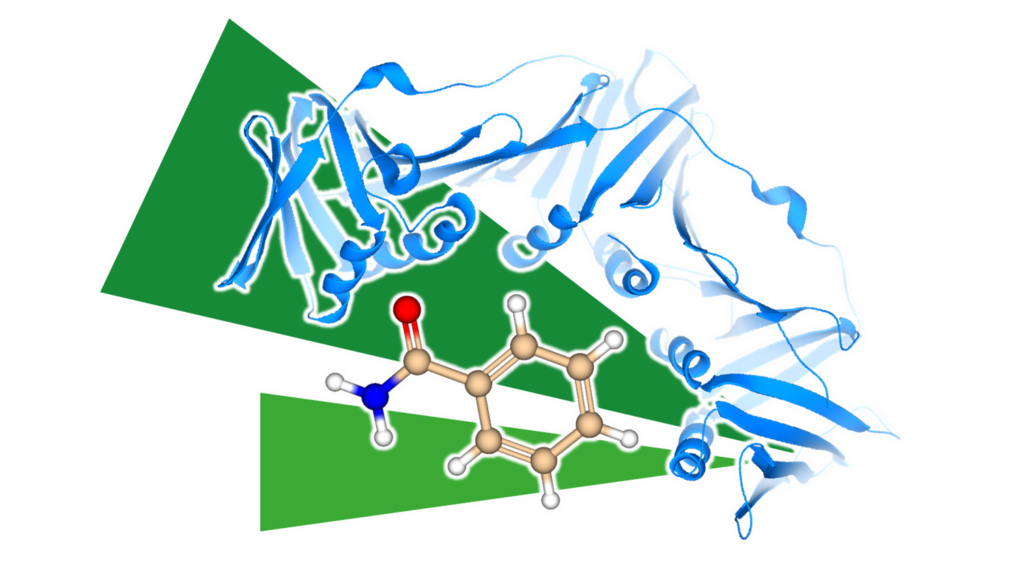
Considering the resistance mechanisms of H. pylori, the DNA polymerase III subunit β (DnaN) was selected as the drug target against which several inhibitors were optimized. Some of the inhibitors were found to be highly potent inhibitors of DnaN as evaluated by utilizing built-in libraries of BioSolveIT, infiniSee, CoLibri, FTrees, SeeSAR’s Inspirator and Molecule Editor Mode, and ReCore. We have discovered a benzamide derivatives as lead class of inhibitor for DnaN via AI- based docking, virtual screening, molecular editing, and toxicological investigation.

Looking forward to your active participation.
Current news

category
Challenge
Summer 2026 Scientific Challenge Deadline Approaching
May 13, 2026 10:54 CEST
We invite researchers in academia (students, postdocs, professors), non-profit organizations, and individuals to participate in our quarterly Scientific Challenge. Take advantage of our wide array of software to help meet your drug discovery goals. How to Participate Just send us a proposal for the project you would like to advance...
Read on
What's So Special About The 'Activity Spotter'? Detailed Insights Into SeeSAR's New Mode
April 29, 2026 10:22 CEST
SeeSAR’s Activity Spotter Mode is designed to dismantle the barrier of raw data and actionable SAR. It helps to answer the most relevant fields in hit-to-lead and lead optimization campaigns: 3D SAR and pharmacophore modeling. Which structural features in my molecule set are associated with activity? Which ones are linked...
Read on
Tool of the Month - FlexX
April 29, 2026 08:53 CEST
Spring is Molecular Docking Season The bread and butter of computational chemistry: predicting potential binding modes, which serves as a crucial foundation for SAR analysis and design decisions, is being made available to everyone this month with the proprietary docking tool FlexX. Validated by over 10,000 citations of its original...
Read on