






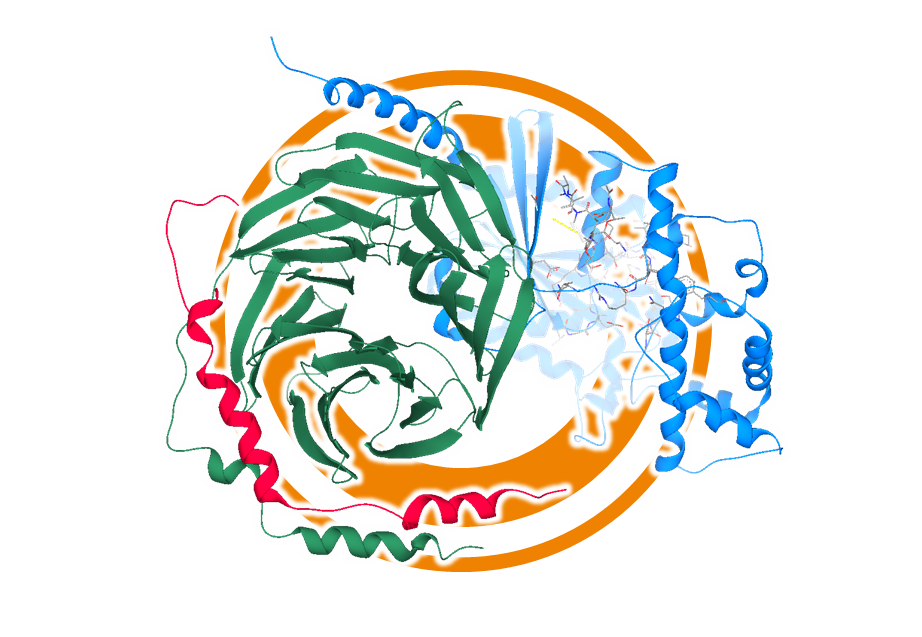

Heterotrimeric G-proteins are important components of intracellular signal transduction, since G-proteins transmit information from an externally stimulated, membrane-bound G-protein-coupled receptor (GPCR) into the cell interior. The importance of these signaling cascades cannot be denied: More than 30% of the approved drugs address the extracellularly easily accessible GPCRs. Since the Gα subunit directly interacts with both the GPCR and the effectors, Gα plays a crucial role in GPCR signaling. This is reflected in the fact that signaling specificity is achieved through four distinct Gα subfamilies: Gαs, Gαi, Gαq, and Gα12/13, which mediate distinct signaling pathways in the cell. Considering the influence of G-proteins on (patho)physiological processes, tools to modulate the action of Gα proteins are of great interest for current pharmaceutical research. However, the direct targeting of intracellular Gα subunits by chemical agents still is a great challenge, since the activity of the compound must be combined with cell-penetrating properties.
Diana shall present an approach to combine (“wet”) high-throughput techniques with computational approaches to gain a deeper insight into potential binding sites, that can then be addressed for compound design. She will focus on the development of a first series of linear and cyclic peptides, which turned out to possess a GEM (guanine nucleotide exchange modulator)-like activity concerning the modulation of Gai and Gas proteins — this does provide new opportunities for intracellular targeting of GPCR-dependent signaling pathways.
Join Diana and us and learn about her latest GPCR research.