SeeSAR 15 ‘Apollo’: Gain Insights

Apollo keyboard_arrow_down Decode Activity
Gain Insights

Introducing 'Apollo'

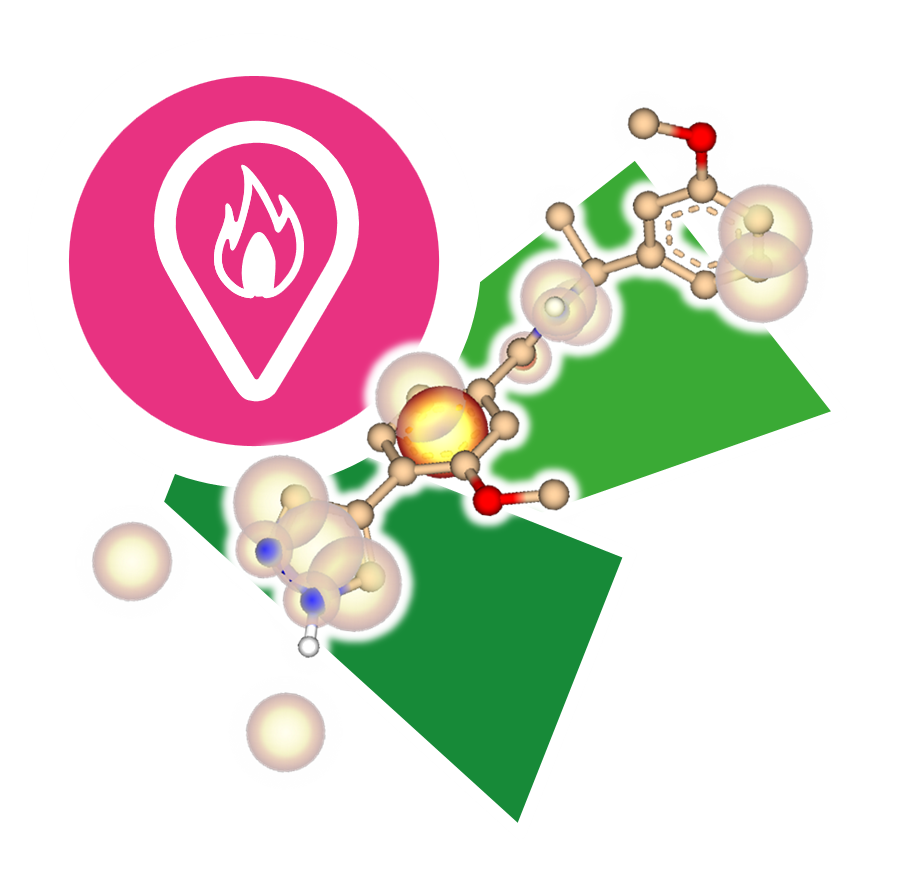
SeeSAR 15 is here! The 'Apollo' release of the drug design dashboard is now available. With powerful new features, Apollo enables users to uncover fresh insights and gain a clearer view of compound series. The new Activity Spotter Mode analyzes compound activity to clarify structure-activity relationships and turn findings into actionable guidance for optimization and screening.

Below, we present the highlights of the new SeeSAR 15 release.

New Mode: Activity Spotter

Activity Spotter uses a set of aligned active and inactive compounds to identify the key features required for ligand activity. Most importantly, the input does not need to be a single, homogeneous series: compounds with different scaffolds can be analyzed as well, enabling SAR insights across diverse chemotypes.

As output, Activity Spotter provides 3D coordinates for identified features, along with their occurrence in active and inactive compounds. Users benefit from statistical analysis and concrete feature suggestions that can be used either to support activity (activity spots) or to highlight the absence of activity (inactivity spots).

By intelligently combining activity and inactivity spots, pharmacophore constraints can be generated and used in a targeted way for docking and ligand-based virtual screening.

Main Features of the Activity Spotter

  • Identification of activity-driving and activity-blocking 3D features from aligned compounds.
  • Generation of actionable pharmacophore definitions for design and screenings.
  • Quantification of feature prevalence in actives vs. inactives for statistical profiling and confidence-driven selection.

Activity Spots: Where the Magic Happens

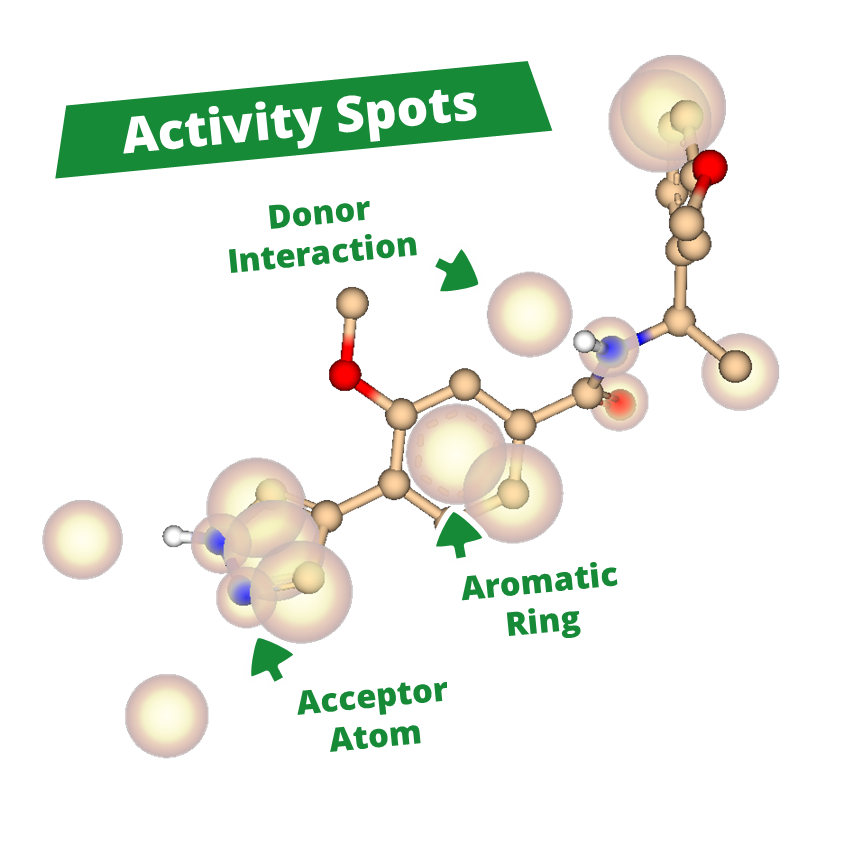
Activity Spotter derives 3D features from aligned conformations. These features can be used for screening in both structure-based and ligand-based contexts. Key coverage includes most common molecular features: aromatic rings, donor and acceptor atoms, nonpolar atoms - and potential interaction spots within the binding site itself.
As shown in the example below, the hinge-binding motif was correctly identified.

In the ligand-based context, this approach resembles building a pseudo-binding site, opening up entirely new possibilities in the 3D space.

Alignments can now be conveniently generated in SeeSAR via (template-based) docking or using the Similarity Scanner. Of course, 3D alignment imports from other tools are supported as well.

Inactivity Spots: Understand What to Avoid

Activity spots alone are often not sufficient to reliably generate a feature mapping that predominantly covers actives.
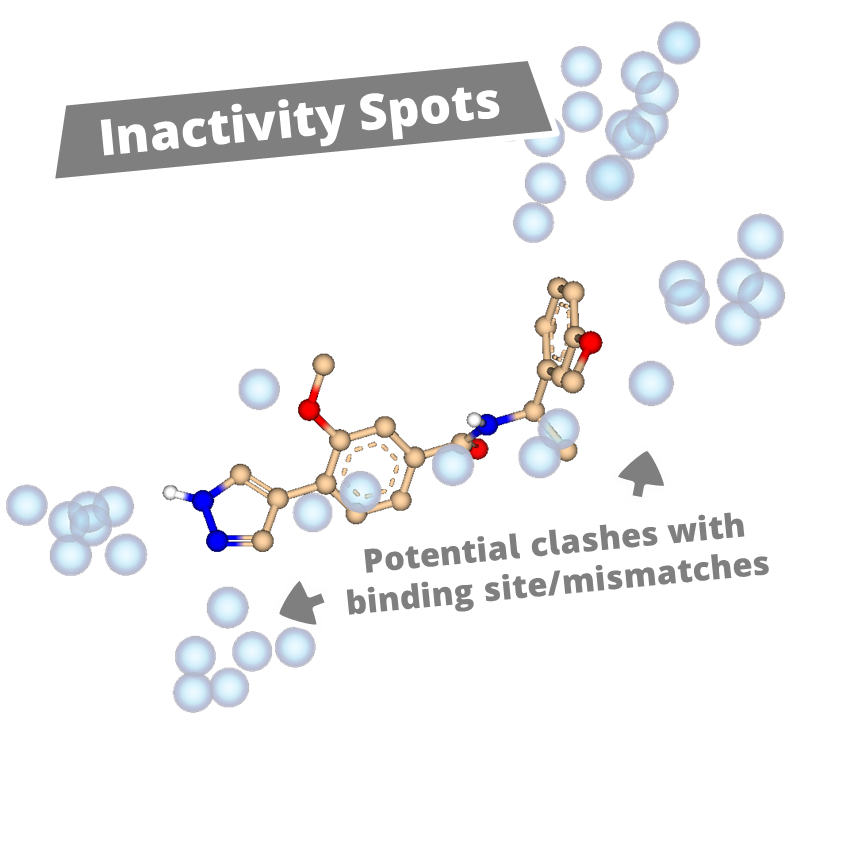
For such cases, inactivity spots are generated as well. These specifically highlight regions where clashes occur in the binding site or where mismatches between the ligand and residues arise.
By excluding these from the activity spot definition, the number of false positives during screening can be reduced.

Fill the Gaps: Loop Modeling

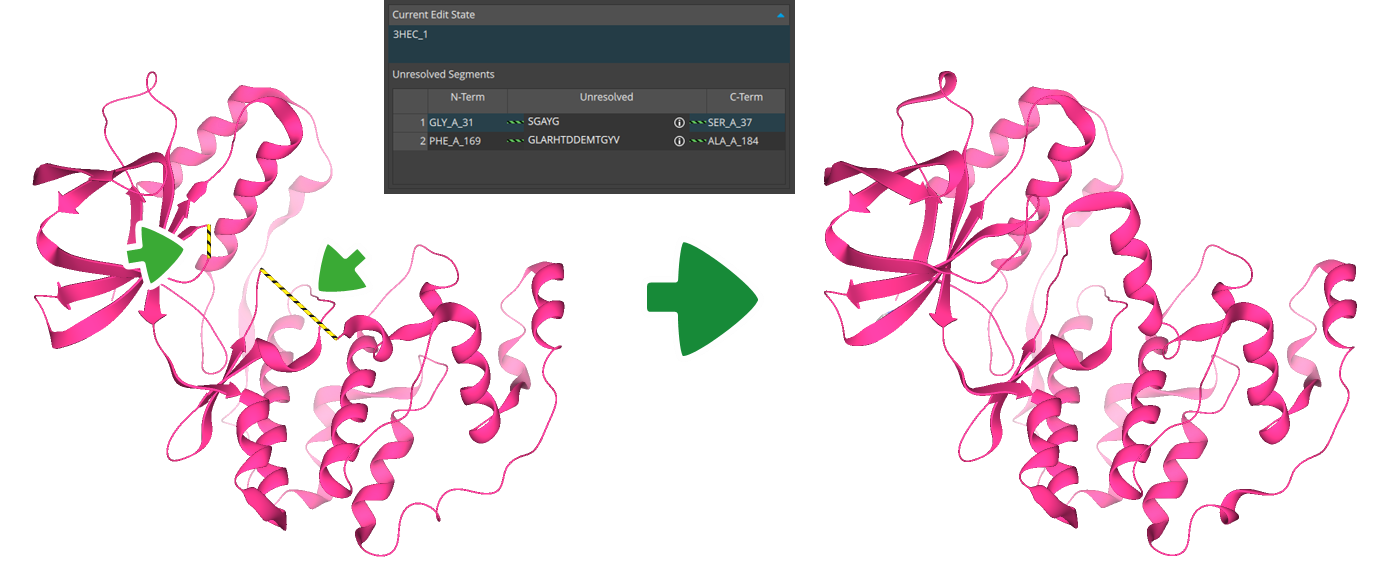
A major upgrade for 3D structure handling: Loop modeling is now available in the Protein Editor Mode.
Missing regions in the target structure are automatically detected, and the corresponding sequence is retrieved where possible. Users can now edit the sequence directly, enabling straightforward point mutations. During subsequent energy minimization, all missing gaps are filled and the modeled loops are refined to generate a complete, consistent structure. This functionality is powered by the proven YASARA loop modeling engine, seamlessly integrated into SeeSAR.

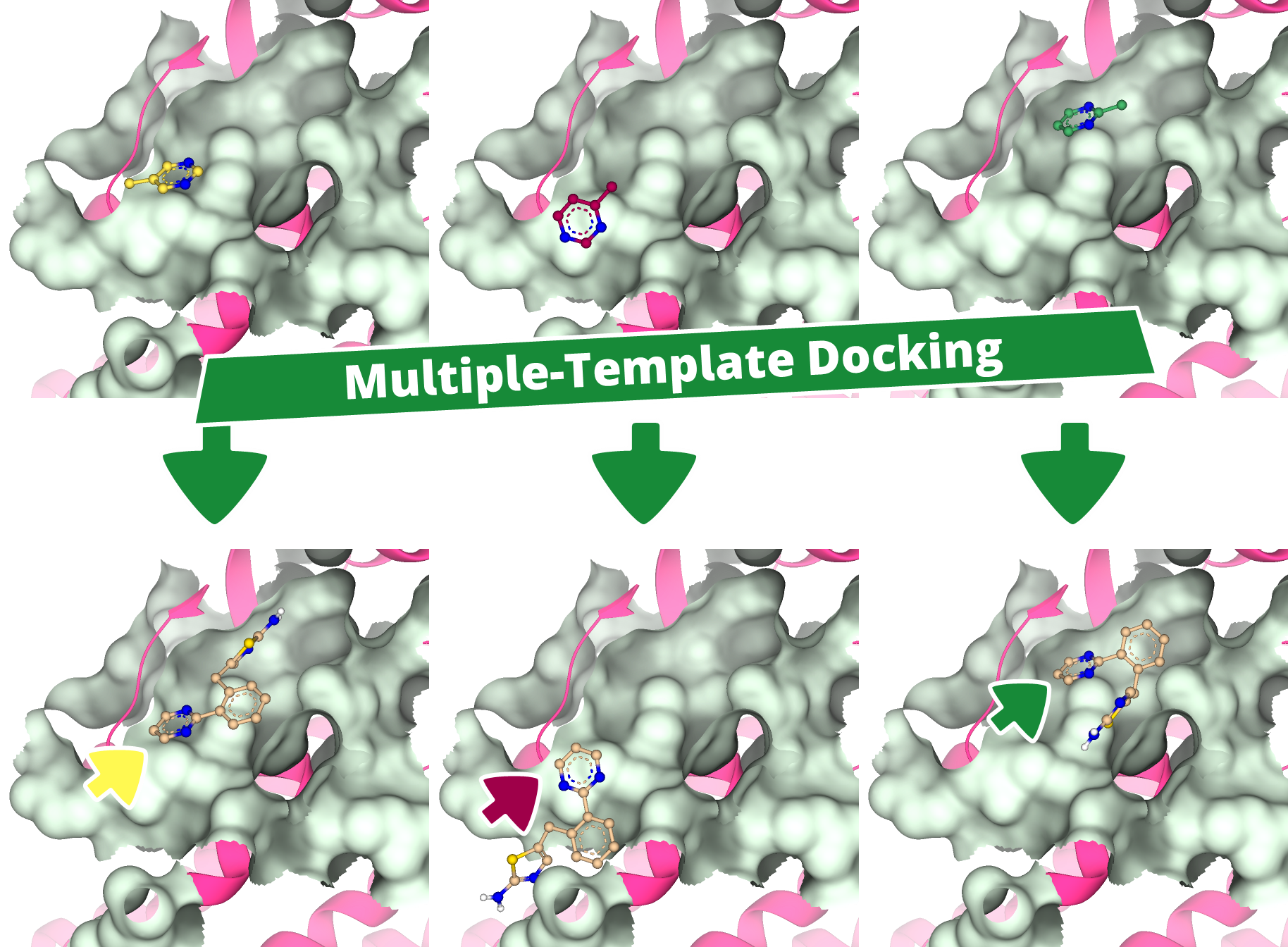
Multiple-Template Docking

A frequently requested feature is now avaliable in SeeSAR 'Apollo': Multiple-Template Docking.
Users can combine multiple template ligands (up to five) as references for docking runs. All compounds to be docked are then matched to these references in a template-based manner, allowing multiple binding modes to be sampled.

The use cases come directly from real-life workflows of our users: docking against several fragments from X-ray structures as seeds to explore which binding modes appear most plausible and promising, or template docking against different calculated poses of a single ligand to evaluate multiple hypotheses.

The Multiple-Template Docking feature is both in Docking and in Chemical Space Docking® Mode. Furthermore, the multiple-template approach can also be used in SeeSAR's Similarity Scanner.

Augmented Filtering Options for Docking Runs

New input filtering options are now available for both Chemical Space Docking® and External Docking workflows. Users can now define their selection criteria before the docking run starts, ensuring that only chemically relevant molecules are submitted and processed on the server. This reduces unnecessary calculations, streamlines the overall workflow, and delivers massive performance improvements, especially for large-scale screening projects.
  • Save Time & Resources: Filter out unsuitable candidates upfront to cut wasted calculations and speed up turnaround.
  • Explore with Focus: Prioritize fragments and molecules that match your desired physicochemical ranges and key structural motifs.
  • Fits Naturally into the Workflow: Define criteria at the start of C-S-D runs or before individual steps such as anchoring and extensions.
  • Type-Aware by Design: Use separate presets for fragments (e.g., ≤5 consecutive rotatable bonds) and full molecules (e.g., MW ≥300 g/mol, ≤10 rotatable bonds).

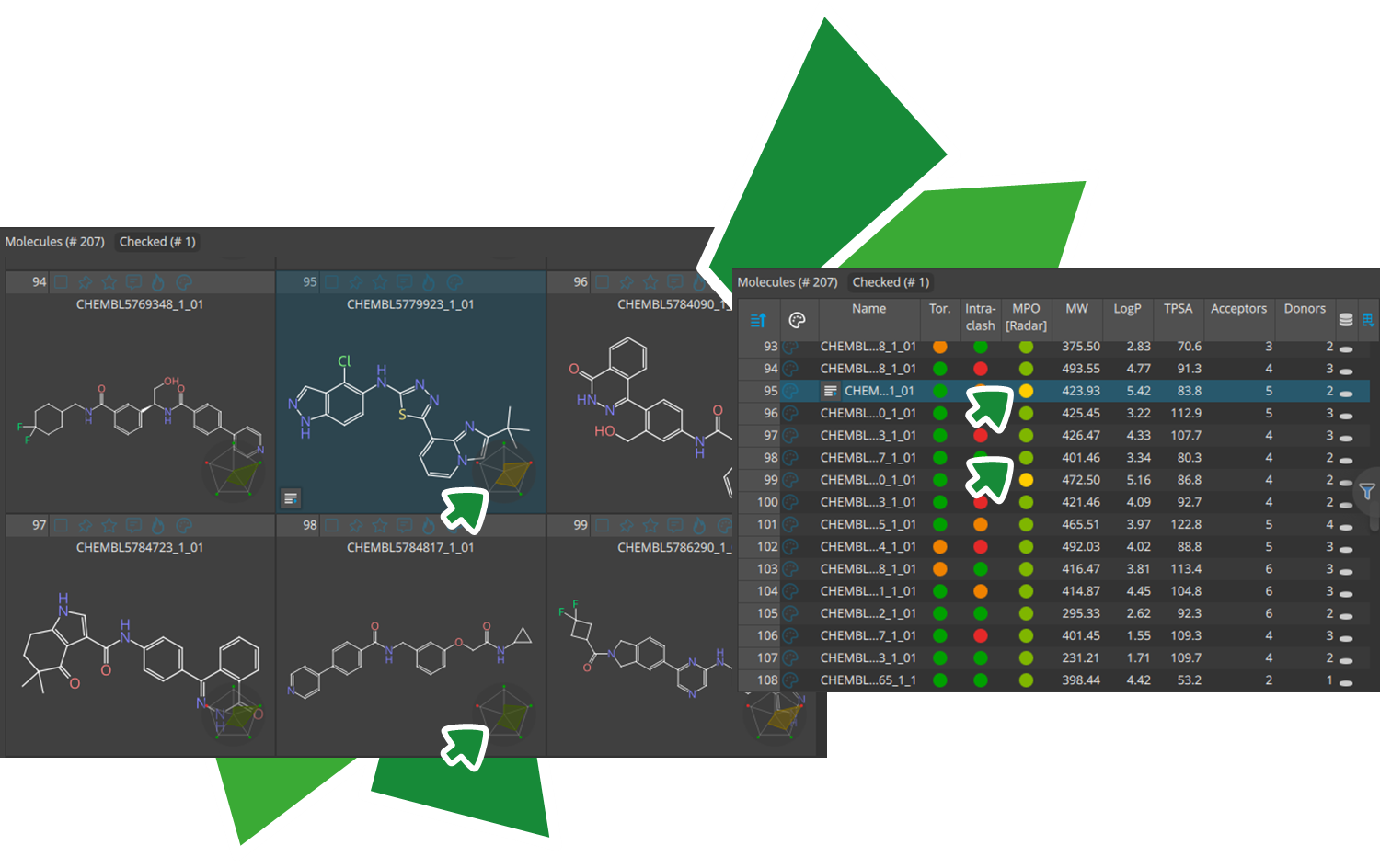
Radar Plots for Multi-Parameter Optimization (MPO)

Multi-parameter optimization (MPO) is conveniently monitored using the radar plots in SeeSAR. After selecting relevant parameters that are automatically calculated in SeeSAR (such as logP, TPSA, or any Optibrium parameters) and defining the desired margins, the overall radar plot assessment is visualized by indicators with gradient scoring. This makes it even easier to filter out candidates with unfavorable physicochemical profiles.

Download SeeSAR 15 'Apollo' Now

This concludes our overview of the features introduced in the SeeSAR 15 'Apollo' release. A comprehensive changelog, which details all functional additions such as the YASARA-powered loop modeling and multiple-template docking, is available online with the new version.

We hope these highlights have showcased how this major update can advance your drug discovery projects. The full version of SeeSAR 15 is available now to streamline your design and optimization workflows.

The full changelog, including all new additions and quality-of-life improvements, can be accessed at this link.

Download SeeSAR 15 'Apollo' Now